
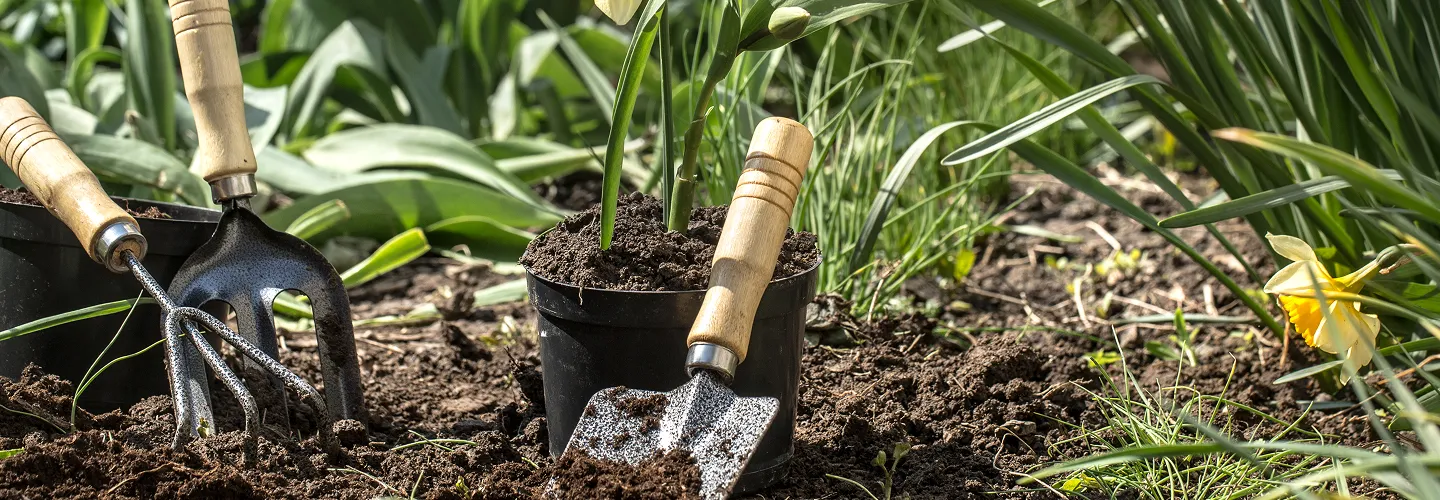
Peachtree Corners Flower Bed Maintenance Services
Choose our Flower Bed Maintenance for expert care, vibrant blooms, and a hassle-free, beautiful landscape that enhances your home's curb appeal.
Get a Free QuoteOur Peachtree Corners Landscaping & Yard Care Services
When to Schedule Flower Bed Maintenance in Peachtree Corners, Georgia – Seasonal Guide
In Peachtree Corners, Georgia, the timing of flower bed maintenance is closely tied to our region’s unique climate and landscape. With mild winters and hot, humid summers, the optimal periods for planting, mulching, and pruning typically fall in early spring and late fall. These windows allow homeowners in neighborhoods like Riverview Estates and Simpsonwood to prepare their beds before the intense summer heat or after the last frost, ensuring plants establish strong roots and thrive throughout the growing season.
Local environmental factors such as the Chattahoochee River’s influence on humidity, the prevalence of clay-heavy soils, and the variable shade coverage from mature tree canopies all play a role in determining the best maintenance schedule. For example, areas near Jones Bridge Park may experience higher moisture levels, while properties closer to Peachtree Parkway might contend with more direct sunlight and faster soil drying. Staying informed about local frost dates and municipal guidelines—available through resources like the Sudbury town website—can help you plan maintenance activities for maximum effectiveness.
Local Factors to Consider for Flower Bed Maintenance in Peachtree Corners
- Tree density and shade coverage impacting sunlight and moisture retention
- Soil composition, especially clay content, affecting drainage and root health
- Seasonal precipitation patterns and drought risk
- Proximity to the Chattahoochee River or other water sources
- Municipal restrictions on watering or landscaping practices
- Terrain variations, such as slopes or low-lying areas prone to pooling
Benefits of Flower Bed Maintenance in Peachtree Corners
Enhanced Curb Appeal
Weed and Pest Prevention
Healthier Plant Growth
Seasonal Color Management
Professional Landscape Expertise
Time and Effort Savings

Peachtree Corners Flower Bed Maintenance Types

Seasonal Flower Planting
-
Weed Control Services
-
Mulching and Soil Conditioning
-
Edging and Bed Redefining
-
Fertilization Programs
-
Pest and Disease Management
-
Pruning and Deadheading
Our Flower Bed Maintenance Process
Site Evaluation
Weed Removal
Soil Preparation
Plant Care
Mulching
Why Choose Peachtree Corners Landscape Services
Peachtree Corners Homeowners Trust Us
-
Comprehensive Lawn Maintenance
-
Reliable Scheduling
-
Experienced Local Team
-
Competitive Pricing
-
Satisfaction Guarantee
-
Personalized Service Plans
-
Eco-Friendly Solutions
Peachtree Corners Red Clay Soils and Flower Bed Preparation Standards
Peachtree Corners sits within Georgia's Piedmont region, where soils are predominantly Cecil and Appling series — dense, red clay-based Ultisols with naturally acidic pH levels typically ranging from 5.5 to 6.2. These soils compact readily under foot traffic and equipment, limiting root penetration and water infiltration in flower beds. Before planting or seasonal bed renovation, property owners should conduct a soil test through UGA Cooperative Extension to determine lime and amendment needs. Practical preparation steps for Peachtree Corners beds include:
- Incorporating 3–4 inches of compost to improve clay structure and drainage
- Applying lime if pH falls below 5.8 for most ornamental plantings
- Tilling to a minimum depth of 8–10 inches to break compaction layers
- Avoiding bed work when soils are saturated to prevent structural damage
Referencing the USDA Web Soil Survey can help property owners identify specific soil series on their parcels and plan amendments accordingly.
Seasonal Timing for Flower Bed Maintenance in Peachtree Corners
Peachtree Corners falls within USDA Hardiness Zone 7b, with average minimum winter temperatures between 5°F and 10°F. The city's long warm season — typically spanning April through October — supports multiple planting and maintenance windows. According to UGA Cooperative Extension guidance for the Georgia Piedmont, the following seasonal schedule applies to flower bed maintenance:
- Spring (March–April): Edge beds, apply pre-emergent weed control, install warm-season annuals after last frost (typically mid-March)
- Summer (June–August): Deadhead spent blooms, monitor for fungal pressure in humid conditions, replenish mulch to 2–3 inches
- Fall (September–October): Transition to cool-season annuals such as pansies and snapdragons; divide perennials
- Winter (November–February): Cut back dormant perennials, apply fresh mulch layer to protect root zones from freeze events
The National Weather Service Atlanta forecast office provides current frost and freeze advisories relevant to planting timing decisions in Gwinnett County.
Protecting Peachtree Corners Stormwater Infrastructure During Bed Maintenance
Flower bed maintenance activities — including fertilizer application, mulch installation, and pesticide use — carry runoff risk to Peachtree Corners's stormwater drainage network. The city manages an active Stormwater Management Program that oversees drainage infrastructure, water quality protection, and flood mitigation throughout the city. Residents and property managers should observe the following practices to remain in compliance with local and state water quality standards:
- Keep fertilizer and soil amendments at least 10 feet from storm drain inlets, curb cuts, and drainage swales
- Avoid applying granular or liquid fertilizers immediately before forecasted rainfall events
- Contain mulch and bed debris to prevent displacement into drainage channels
- Consult the Georgia EPD Watershed Protection Branch for guidance on nutrient management near sensitive drainage corridors
Peachtree Corners borders the Chattahoochee River watershed, and runoff from residential and commercial properties can affect downstream water quality. The Clean Water Act and associated EPA NPDES Program establish baseline standards for stormwater discharges that apply to land disturbance and maintenance activities.
Peachtree Corners Stormwater Management Program
31 Peachtree Corners Circle, Peachtree Corners, GA 30092
Official Website: Peachtree Corners Stormwater Management Program
Code Compliance and Bed Maintenance Standards Enforced in Peachtree Corners
The Peachtree Corners Code Enforcement division monitors property maintenance standards across residential and commercial parcels, including the condition of landscaped areas and flower beds visible from public rights-of-way. Overgrown beds, invasive plant encroachment, and accumulated organic debris may constitute code violations under the city's property maintenance ordinance. Property owners should be aware of the following compliance considerations:
- Beds adjacent to sidewalks and streets must be maintained to prevent obstruction of pedestrian or vehicular sightlines
- Invasive species such as English ivy, Chinese privet, and kudzu — identified by UGA Extension's Invasive Species program — should be removed promptly to prevent spread to neighboring properties
- Accumulated clippings, dead plant material, and mulch overflow onto sidewalks or roadways may trigger code review
- Verify current ordinance thresholds directly with Code Enforcement, as specific vegetation height and coverage standards may be updated periodically
Peachtree Corners Code Enforcement
31 Peachtree Corners Circle, Peachtree Corners, GA 30092
Official Website: Peachtree Corners Code Enforcement
Selecting Heat- and Shade-Tolerant Plants for Peachtree Corners Flower Beds
Peachtree Corners features a mix of mature wooded lots — particularly in older subdivisions near the Chattahoochee River corridor — and more open, sun-exposed properties in newer developments. This variation requires careful plant selection based on canopy cover, soil drainage, and summer heat exposure. Peachtree Corners experiences average summer high temperatures exceeding 90°F from June through August, with high humidity that increases disease pressure on susceptible species. Recommended plant selection principles include:
- Full sun beds: Lantana, coneflower (Echinacea), black-eyed Susan, and ornamental grasses tolerate heat and clay soils well
- Partial to full shade beds: Hostas, astilbe, caladiums, and native coral bells (Heuchera) perform reliably under mature tree canopy
- Deer-resistant options: Salvia, lavender, and ornamental alliums reduce browse pressure in wooded-edge properties
- Native selections: Native plants adapted to Georgia Piedmont conditions generally require less supplemental irrigation and amendment
The USDA Plant Hardiness Zone Map confirms Zone 7b conditions for this area, which should guide selection of perennial species for winter survival.
What Neighborhoods Do We Serve Throughout Peachtree Corners, GA?
- Technology Park / Forum area: A mixed commercial and residential corridor with maintained ornamental beds along high-visibility frontages; properties here often require consistent seasonal color rotations and edging to meet commercial appearance standards.
- Amberfield: An established subdivision with mature tree canopy creating significant shade pressure on flower beds; hostas, ferns, and shade-tolerant perennials are commonly used in this area.
- Spalding Hills: Older lots with compacted red clay soils and established landscaping; bed renovation often requires deep amendment work before new plantings can establish successfully.
- Peachtree Station: A well-developed residential community with HOA-maintained common areas and individual beds requiring seasonal maintenance aligned with community standards.
- River Station: Located near the Chattahoochee River corridor, this area features wooded lots with drainage sensitivity; bed maintenance near low-lying areas should account for stormwater runoff precautions.
- Avala / Avala Park area: Newer development with fill soils that may drain differently than native Piedmont clay; soil testing and amendment are particularly important before establishing perennial beds in this area.