
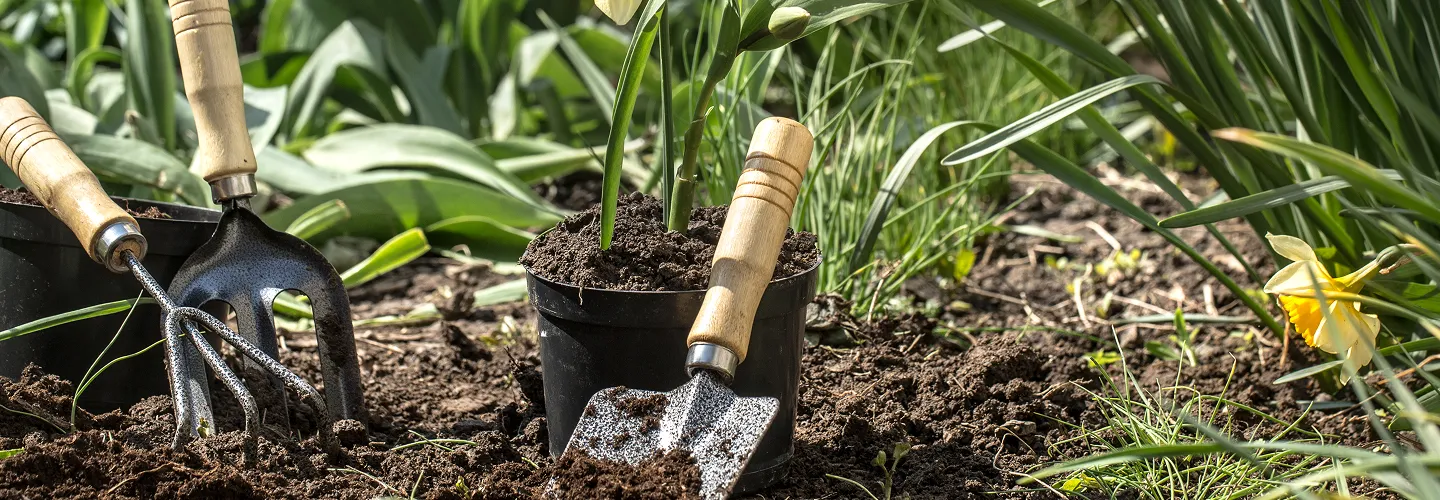
Peachtree Corners Flower Planting Services
Choose our flower planting services for vibrant, healthy blooms that enhance your curb appeal and thrive all season long—crafted by local experts who care about your landscape as much as you do.
Get a Free QuoteOur Peachtree Corners Landscaping & Yard Care Services
When to Schedule Flower Planting in Peachtree Corners, Georgia – Seasonal Guide
Flower planting in Peachtree Corners, Georgia, is best scheduled with careful attention to our region’s unique climate and landscape. The ideal planting windows are typically early spring (late March to mid-April) and early fall (late September to October), when soil temperatures are moderate and rainfall is more consistent. These periods allow new blooms to establish strong roots before the heat of summer or the chill of winter sets in. Local neighborhoods like Riverfield and Amberfield often see vibrant displays during these times, thanks to well-timed planting and thoughtful selection of flower varieties suited to our area.
Peachtree Corners’ proximity to the Chattahoochee River and its mix of shaded lots and open lawns mean that factors such as late spring frost dates, summer humidity, and occasional drought risk must be considered. Soil in areas near Jones Bridge Park tends to be loamy with good drainage, but pockets of clay can affect water retention. For more detailed guidance on local planting schedules and environmental considerations, consult resources like the Sudbury municipal site.
Local Factors to Consider for Flower Planting in Peachtree Corners
- Tree density and shade coverage in neighborhoods like Peachtree Station
- Soil composition (loam vs. clay) and drainage
- Average precipitation and risk of summer drought
- Frost dates, especially for early spring planting
- Terrain variations, such as sloped yards near Simpsonwood Park
- Municipal restrictions or HOA guidelines on landscaping
Benefits of Flower Planting in Peachtree Corners
Expert Local Knowledge
Customized Plant Selection
Seasonal Color Enhancements
Professional Installation
Low-Maintenance Solutions
Boosted Curb Appeal

Peachtree Corners Flower Planting Types

Annual Flower Beds
-
Perennial Gardens
-
Native Plant Installations
-
Seasonal Color Displays
-
Pollinator-Friendly Plantings
-
Shade Garden Plantings
-
Container Flower Arrangements
Our Flower Planting Process
Site Evaluation
Soil Preparation
Plant Selection
Careful Planting
Watering and Mulching
Why Choose Peachtree Corners Landscape Services
Peachtree Corners Homeowners Trust Us
-
Comprehensive Lawn Maintenance
-
Reliable Scheduling
-
Experienced Local Team
-
Competitive Pricing
-
Satisfaction Guarantee
-
Personalized Service Plans
-
Eco-Friendly Solutions
Optimal Flower Planting Windows for Peachtree Corners' Piedmont Climate
Peachtree Corners falls within USDA Hardiness Zone 7b, situated in Georgia's Piedmont region where warm, humid summers and mild winters define the growing calendar. According to the USDA Plant Hardiness Zone Map, the city's average annual minimum temperature ranges from 5°F to 10°F, making late-season frost a realistic concern for early spring plantings. The National Weather Service Atlanta office identifies the average last frost date for the greater metro area as mid-March, though localized cold pockets in low-lying areas of Peachtree Corners may extend that window slightly.
Recommended planting windows by season:
- Spring annuals: transplant after mid-March once nighttime temperatures consistently exceed 45°F
- Summer perennials and heat-tolerant annuals: establish between late April and early June before peak heat stress
- Fall color plantings: install cool-season flowers such as pansies and snapdragons from mid-September through October
- Bulb installation: plant spring-blooming bulbs between October and December
Timing plantings to align with these windows reduces transplant shock and improves establishment rates in Peachtree Corners' variable spring conditions.
Peachtree Corners Red Clay Soils and Bed Preparation for Flower Planting
The predominant soils in Peachtree Corners are Piedmont Ultisols, including the Cecil and Appling soil series, characterized by dense red clay subsoils with limited drainage capacity. According to the USDA Web Soil Survey, these soils typically exhibit low permeability, moderate to high shrink-swell potential, and naturally acidic pH levels ranging from 5.0 to 6.0. These conditions require deliberate bed preparation before flower planting to prevent root suffocation and waterlogging.
Effective soil preparation practices for Peachtree Corners planting beds include:
- Organic matter incorporation: till 3–4 inches of compost into the top 8–10 inches of soil to improve drainage and aeration
- pH adjustment: apply lime as directed by a soil test to raise pH toward the 6.0–6.5 range preferred by most flowering annuals and perennials
- Raised bed construction: in areas with severe clay compaction or poor drainage, raise planting beds 6–8 inches above grade
- Soil testing: submit samples to the UGA Cooperative Extension for analysis before amending
Skipping bed preparation in Peachtree Corners' clay-dominant soils frequently results in poor bloom performance and plant loss during summer rainfall events.
Protecting Peachtree Corners Stormwater Infrastructure During Flower Bed Installation
Peachtree Corners operates an active Stormwater Management Program that oversees drainage infrastructure, water quality protection, and flood mitigation throughout the city. Flower bed installation activities — including soil amendment, mulching, and fertilizer application — can introduce sediment, nutrients, and organic debris into storm drains and drainage swales if not properly managed. The city's stormwater program aligns with EPA NPDES requirements and the Clean Water Act, which prohibit the discharge of pollutants into municipal storm systems.
Property owners and contractors should observe the following precautions during flower planting work:
- Keep loose soil, mulch, and compost at least 10 feet from storm drain inlets and drainage swales
- Avoid applying granular or liquid fertilizers within 24 hours of forecasted rainfall
- Install temporary erosion controls such as silt barriers when disturbing more than a minimal area of ground cover
- Sweep or blow soil and mulch debris away from curbs, gutters, and paved surfaces before rain events
Peachtree Corners Stormwater Management Program
31 Temple Avenue, Peachtree Corners, GA 30071
Official Website: Peachtree Corners Stormwater Management Program
The Georgia EPD Watershed Protection Branch also provides guidance on best management practices for residential and commercial landscaping activities near sensitive drainage corridors.
Selecting Heat- and Shade-Tolerant Flowers for Peachtree Corners Landscapes
Peachtree Corners' mature tree canopy, particularly in older subdivisions and areas adjacent to the Chattahoochee River corridor, creates significant partial-to-full shade conditions that limit the performance of sun-dependent flowering species. Simultaneously, the city's humid subtropical climate produces extended periods of heat and moisture stress from June through August that challenge many cool-season varieties. UGA Cooperative Extension recommends selecting regionally adapted species that tolerate both Georgia's summer heat and variable light conditions.
Recommended flowering plants for Peachtree Corners conditions:
For full sun and heat tolerance:
- Lantana, Vinca (Catharanthus), Portulaca, Gaillardia, Coneflower (Echinacea)
For partial to full shade:
- Impatiens (downy mildew-resistant varieties), Begonias, Caladiums, Torenia, Astilbe
For pollinator and wildlife support:
- Native species such as Black-eyed Susan (Rudbeckia), Coreopsis, and Salvia are well-adapted to Piedmont conditions and support local pollinator populations
Property owners should also consult UGA Extension's Invasive Species resources to avoid inadvertently introducing invasive ornamentals into planting beds adjacent to natural areas or stream corridors.
Code Compliance and Zoning Considerations for Flower Planting in Peachtree Corners
While residential flower planting generally does not require a permit in Peachtree Corners, certain installation scenarios may intersect with municipal code requirements. Large-scale bed installations near public rights-of-way, modifications to drainage patterns, or plantings within utility easements may require review by the Peachtree Corners Community Development department or the Planning & Zoning office. Property owners in HOA-governed subdivisions should also verify that proposed plantings conform to community landscape standards before installation.
Key compliance considerations include:
- Right-of-way plantings: flowers installed within the public right-of-way strip between the sidewalk and curb may be subject to city maintenance standards and visibility requirements
- Utility easements: avoid deep-rooted plantings within recorded utility easements; confirm easement boundaries before bed installation
- Drainage alteration: raised beds or berms that redirect surface drainage toward neighboring properties may trigger code review
- Nuisance vegetation: the Peachtree Corners Code Enforcement office enforces property maintenance standards that may apply to overgrown or unmaintained planting areas
Peachtree Corners Community Development
31 Temple Avenue, Peachtree Corners, GA 30071
Official Website: Peachtree Corners Community Development
Peachtree Corners Code Enforcement
31 Temple Avenue, Peachtree Corners, GA 30071
Official Website: Peachtree Corners Code Enforcement
What Neighborhoods Do We Serve Throughout Peachtree Corners, GA?
- Berkeley Lake area: Properties near Berkeley Lake feature mature tree canopy and variable shade conditions that favor shade-tolerant flowering species; proximity to the lake requires careful fertilizer and runoff management during bed installation.
- Peachtree Corners Town Center vicinity: Newer mixed-use development in this area often features compacted urban fill soils requiring significant organic amendment before flower planting can succeed.
- Spalding Drive corridor: Established residential neighborhoods along this corridor include older lots with dense clay subsoils and mature hardwood canopy, creating both drainage and light challenges for planting beds.
- Holcomb Bridge Road neighborhoods: Subdivisions in this area vary from newer construction with disturbed fill soils to older lots with established landscape beds requiring seasonal replanting and soil maintenance.
- Peachtree Parkway residential areas: Properties along this corridor include a mix of HOA-governed communities where planting selections and bed layouts may be subject to community landscape standards.
- Chattahoochee River-adjacent neighborhoods: Lots near the river corridor require particular attention to stormwater runoff, buffer zone compliance, and the avoidance of invasive ornamental species that could spread into protected riparian areas.